
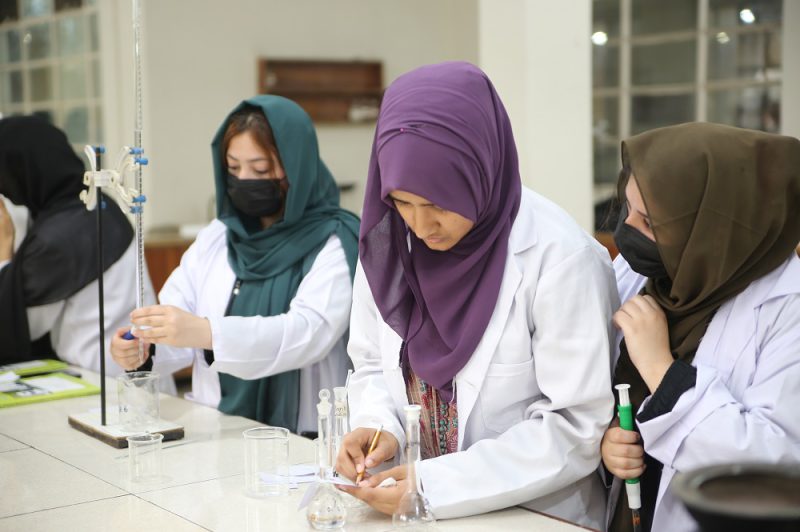
Experiments performed in the pharmaceutical chemistry lab include:
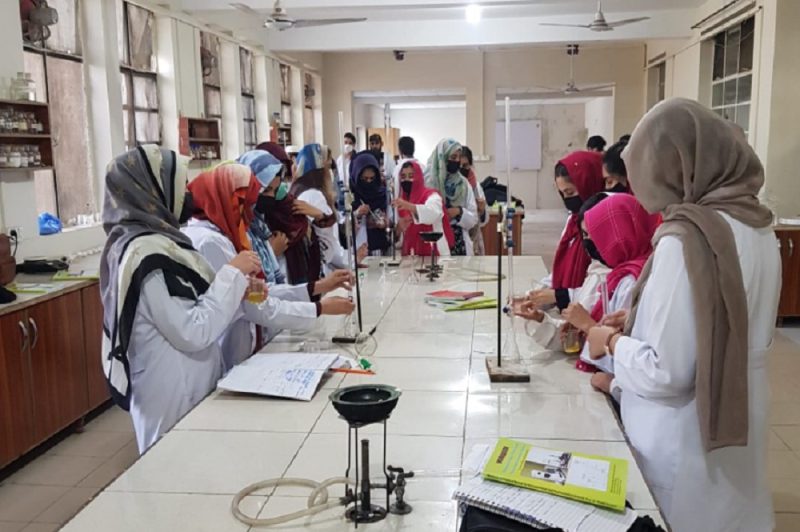
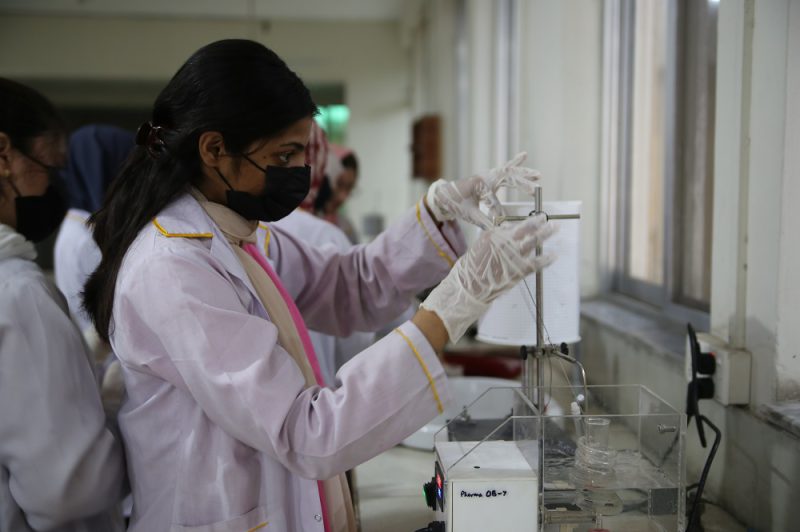
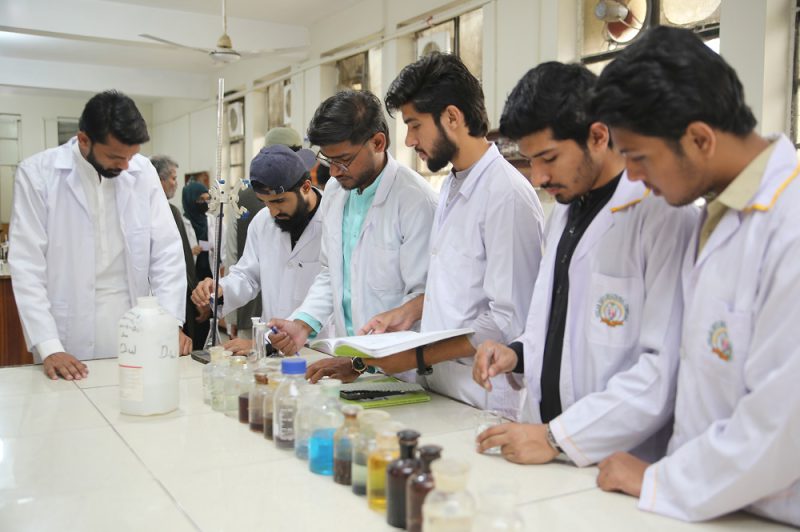
In a Pharmaceutics lab, experiments mainly include:
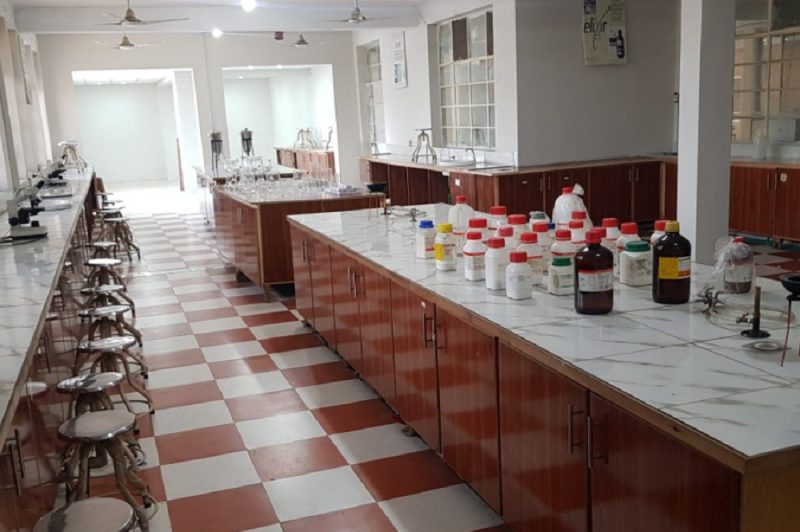
In a Pharmacognosy lab, experiments focus on the identification, evaluation, and analysis of crude drugs from natural sources (plants, animals, minerals). Following are the main types:
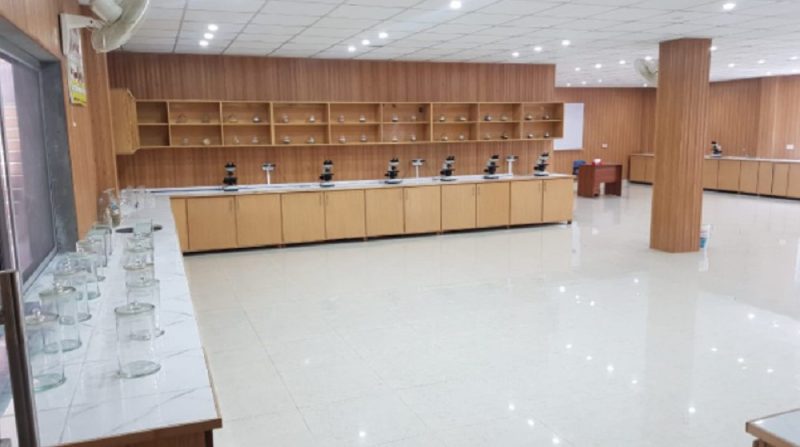
Microbiology Experiments include use of microscope, preparation of culture media, antimicrobial assays, microbial enumeration (counting), sterilization techniques (autoclaving), bacterial staining (Gram staining), identification of microorganisms etc.
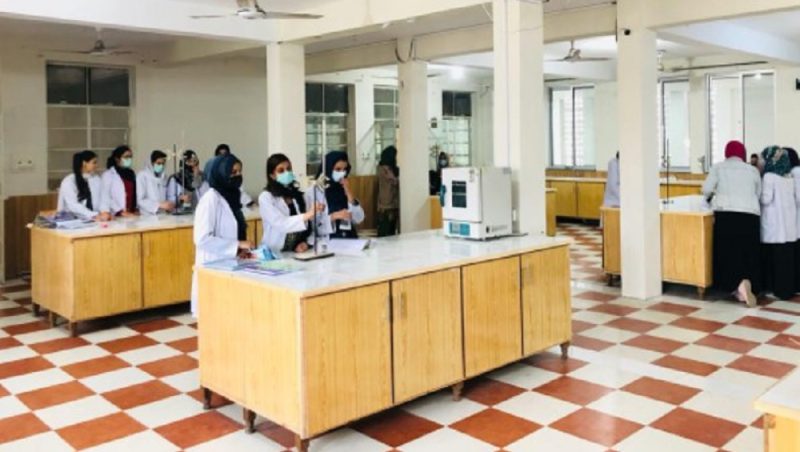
In a Pharmaceutical Industry lab, experiments simulate large-scale manufacturing, production processes, and industrial quality practices. The focus is on how medicines are actually made in factories. These experiments include:
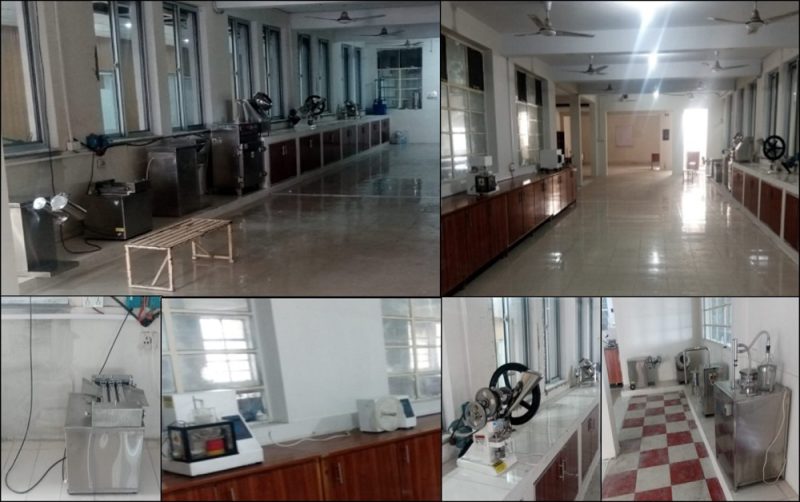
In a Pharmaceutical Instrumentation lab (Pharm. D curriculum under the Pharmacy Council of Pakistan), experiments focus on analytical techniques and instruments used to identify, quantify, and ensure the quality of drugs. The emphasis is on working principles, operation, calibration, and applications of instruments. These experiments include:
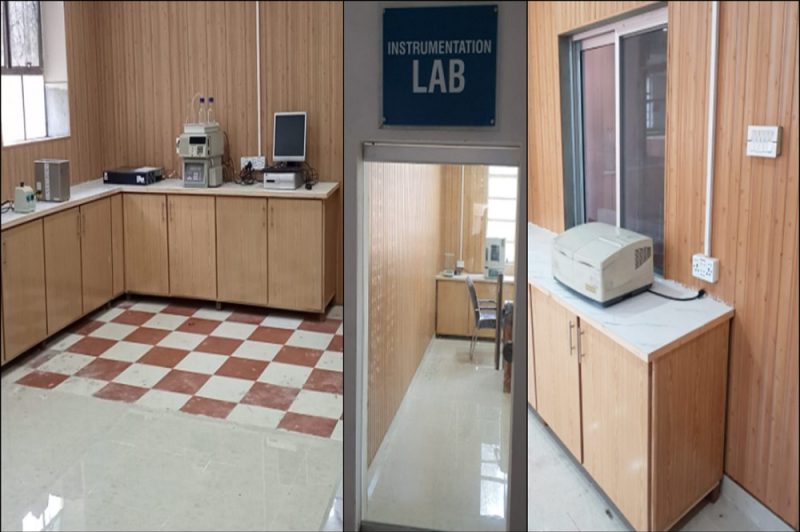
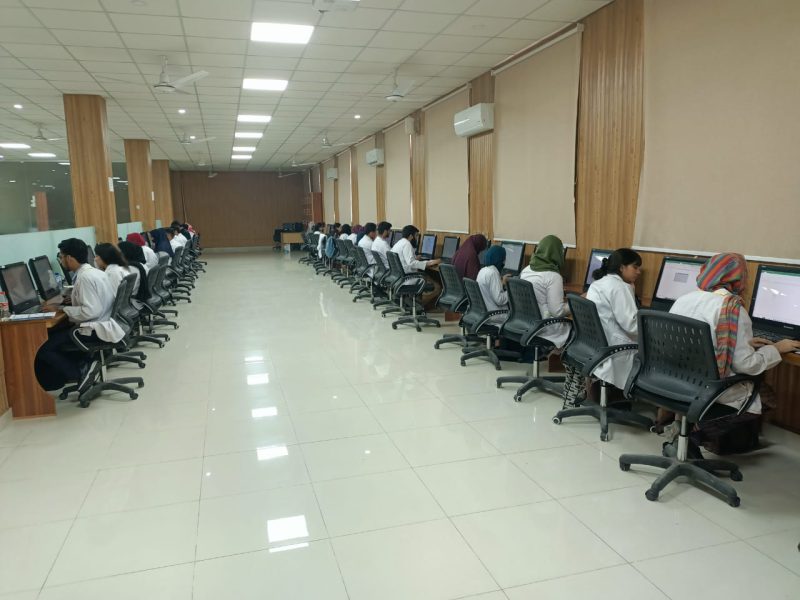
In the Computer Lab, practical exercises are focused on data handling, research skills, pharmaceutical software, and basic bioinformatics rather than wet lab work.